Family Neglect or Abandonment in Seniors: How Love and Community Can Heal Invisible Wounds
Many seniors silently face family neglect or abandonment, leading to loneliness and emotional pain. Learn how community homes, senior support services, and church care can bring love, connection, and hope. Discover practical ways to support aging parents and elderly loved ones.
Javed Niamat
10/24/20253 min read

Introduction: A Silent Struggle Many Seniors Face
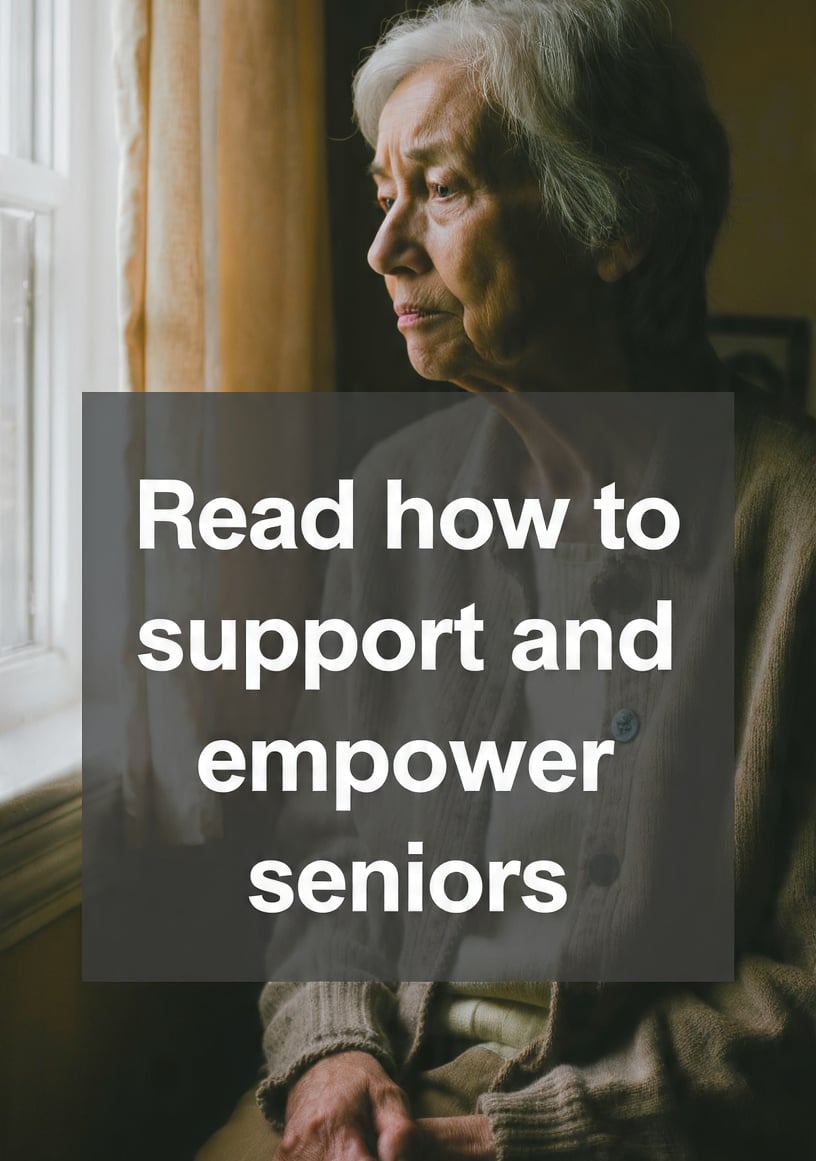
For many seniors, family is more than just blood — it’s their anchor, their identity, and their safe space. Unfortunately, for some older adults, that anchor weakens with time. As life gets busier, adult children may drift away, grandchildren move to new cities, and the once-bustling home grows quiet.
Family neglect or abandonment is one of the most painful experiences a senior can face. It doesn’t always happen overnight. Sometimes, it’s gradual — fewer phone calls, fewer visits, fewer “I love you’s.”
This isn’t just an emotional issue; it has real consequences on mental health, physical well-being, and quality of life. But here’s the good news: loneliness is not the end of the story. With the right support, community care, and love, healing is possible.
1. Understanding Family Neglect and Abandonment
Family neglect doesn’t always mean complete isolation. It can look like:
Adult children not visiting or calling regularly
Exclusion from family events and decisions
Lack of emotional or financial support
Seniors feeling invisible or like a “burden”
In more severe cases, some seniors are left entirely on their own — with no one to help with medical appointments, meals, or emotional support.
According to the National Institute on Aging, more than one in four adults aged 65+ report feeling isolated or abandoned. The emotional toll can lead to anxiety, depression, or even physical decline.
2. Real-Life Story: When Family Turns Away
“I raised three children on my own,” says Maria, 74. “I gave them everything I had. But now, I rarely hear from them. Holidays are the hardest. I sit by the phone hoping someone will remember.”
Maria’s story isn’t unique. Thousands of seniors face the same silence. But through a local church group, she found a community of other seniors, new friends, and emotional strength. She now volunteers twice a week — and has rediscovered her sense of belonging.
This shows that abandonment can be met with community, not just pain.
3. The Emotional and Physical Impact of Neglect
Family neglect doesn’t just break hearts — it can affect health in serious ways:
Mental Health Decline – Higher risk of depression, anxiety, and cognitive decline.
Cardiovascular Issues – Studies link loneliness to increased risk of heart disease.
Weakened Immunity – Chronic emotional pain affects the body’s immune system.
Poor Sleep and Appetite – Isolation can disrupt daily routines, making seniors more vulnerable to illness.
The CDC even identifies loneliness as a public health concern, linking it to early mortality.
4. Finding Strength Through Community Care
When family isn’t present, community can step in as family. Across the U.S. and many parts of the world, senior support programs offer a second chance at love, connection, and care.
Examples of Support Services:
Community Homes & Senior Centers: Safe spaces where seniors can socialize, eat together, and get daily support.
Church & Faith-Based Groups: Many churches have senior ministries, visiting teams, or prayer groups for companionship.
Volunteer Companion Programs: Organizations like Meals on Wheels and NCOA connect volunteers with seniors who need regular check-ins.
Local Government Services: Free or low-cost transportation, home care assistance, and wellness programs.
Even one meaningful connection can begin to rebuild a sense of belonging.
5. The Power of Spiritual and Emotional Healing
For many seniors, faith and spiritual communities become a lifeline. Prayer groups, Bible studies, meditation circles, or simply attending Sunday service can restore hope.
Spiritual counseling and talking openly about emotional pain help seniors process feelings of rejection and loss. It’s not weakness to seek help — it’s strength.
In fact, emotional healing often begins with one simple step: being heard.
6. Rebuilding Relationships and Setting Boundaries
Not all family neglect is permanent. Sometimes, misunderstandings, busy schedules, or emotional distance cause the gap. Here are ways seniors can rebuild:
Open Conversations: Express feelings honestly without blame.
Small Steps: A simple letter, call, or message can open doors.
Counseling & Mediation: Family therapy or pastoral counseling can help heal old wounds.
Healthy Boundaries: If contact isn’t possible, focus on your emotional health and new support systems.
It’s okay to grieve what’s lost — and it’s okay to build new relationships that feel like family.
7. Empowerment Through Giving Back
One of the most powerful ways to overcome abandonment is to become a light to others. Many seniors find joy and purpose by:
Volunteering at food banks, hospitals, or community programs
Mentoring younger people
Joining book clubs, gardening groups, or cultural associations
Giving love often brings love back. Seniors who stay socially engaged are less likely to suffer the long-term effects of isolation.
8. Resources for Seniors Facing Family Neglect
If you or someone you know is experiencing family neglect or abandonment, here are trusted resources:
National Council on Aging — Support programs for seniors
Eldercare Locator — Find local community services in the U.S.
AARP Community Programs — Social clubs, caregiving help, legal support
Meals on Wheels — Companionship and meal delivery
No one should walk this road alone.
Conclusion: Family Is More Than Blood
Family neglect or abandonment is heartbreaking, but it doesn’t have to define a senior’s life. Love can be found in new places — through community, faith, friendship, and personal resilience.
Seniors deserve to feel valued, heard, and loved. If family isn’t present, others can step in. Healing begins the moment someone says, “You matter.”