Gentle Exercises Seniors Can Do at Home to Stay Fit
Stay independent and joyful with gentle home exercises for seniors — strength, balance, flexibility & endurance moves explained simply.
Javed Niamat
10/26/20256 min read
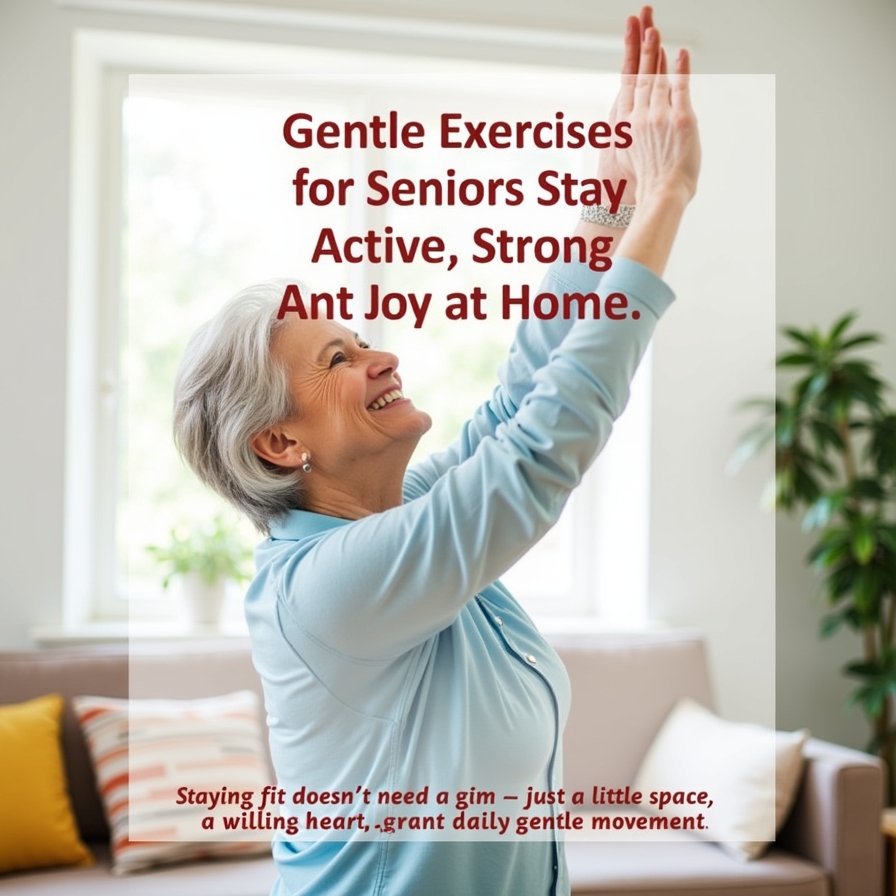
Gentle Exercises Seniors Can Do at Home to Stay Fit
Growing older brings new rhythms, new joys, and yes — new challenges. But one thing remains true: our bodies are made to move. Even in our golden years, gentle, consistent movement is one of the most powerful ways to protect our health, preserve our independence, and live joyfully.
For seniors especially, gentle exercise isn’t about ambition or performance. It’s about care, respect for the body, and choosing strength, balance, and mobility day by day. In this article we’ll explore the benefits of gentle exercise for older adults, and share a straightforward home-exercise plan that’s safe, effective, and human-centered — no fancy equipment needed.
1. Why Gentle Movement Matters
As we age, our muscles gradually lose mass, our bones lose density, our joints may feel stiffer, and our balance becomes more fragile. According to research, older adults who engage in regular physical activity have better function, fewer falls, improved mood, and enhanced quality of life. (PMC)
Specifically:
A study of frail seniors found that even seated, low-risk exercises helped improve their ability to carry out daily tasks. (UIC Today)
Low-impact and gentle workouts improve flexibility, joint mobility, muscle strength and balance — all crucial to staying independent and minimizing risk of falls. (Wellness Tourism)
Exercise does more than move the body — it moves the mind. It’s linked to improved mood, reduced anxiety, better sleep and even sharper thinking in older adults. (Benedictine Living)
In short: gentle exercise is not optional — it’s essential for flourishing in later life.
2. The Gentle-Exercise Pillars: Strength, Balance, Flexibility, and Endurance
When designing a home exercise plan for seniors, it’s helpful to think in four pillars:
Strength – safe ways to engage muscles (especially legs, core, arms).
Balance & Stability – exercises that challenge equilibrium to reduce falls.
Flexibility & Mobility – gentle stretches and movements that keep joints supple.
Endurance / Cardiovascular Health – low-impact forms of movement to keep the heart, lungs and circulation healthy.
Combining all four gives a well-rounded, resilient body. Let’s look at each.
3. Strength Exercises You Can Do at Home
Even without weights, you can build muscle and maintain bone health. Here are some gentle, effective strength moves:
Sit-to-stand from a chair: Sit down in a sturdy chair with feet flat. Lean forward slightly, press through the heels and stand up slowly. Then slowly sit back down. 8-12 reps.
Wall push-ups: Stand facing a wall, arms extended, palms against the wall. Bend elbows slowly and lean in, then press away. Keep core engaged. 10 reps.
Seated leg lifts: Sit tall in chair, one foot flat. Lift other foot a few inches, hold 2-3 seconds, then lower. Work both sides, 8-10 reps each.
Bicep curls with light resistance band: Sit or stand, hold band ends, curl arms slowly. 8-12 reps.
Research shows that even light resistance work boosts strength, muscle mass and bone health in older adults. (Biomedgrid)
4. Balance and Stability Moves
Falls are one of the most serious risks for older adults — so improving balance is a preventive gift to yourself.
Heel-to-toe walk: Walk in a straight line, placing the heel of one foot directly in front of the toes of the other. Use a wall or chair for support if needed. 5-10 steps each direction.
Single-leg stand: Stand behind a chair, hold for support. Lift one foot just off the ground, hold 10–15 seconds, then switch legs. Repeat twice each side.
Side leg raises: Stand behind chair for support. Slowly lift one leg to the side, keeping body straight. 8-10 reps each side.
These kinds of exercises are supported by caregiver-networks and senior-fitness guidelines as simple yet high-impact for daily mobility and fall-prevention. (Caregiver Support Network)
5. Flexibility & Mobility Work
Stiffness creeps in with age — so some gentle stretching and mobility work can go a long way.
Seated spinal twist (chair): Sit tall, feet flat. Gently twist torso to right, placing left hand on outer thigh, right hand on chair back. Hold 15–30 seconds, then switch sides.
Hip flexor stretch: Using a chair or couch for support, step one foot forward (like a mini lunge), keeping back leg comfortable. Hold 15–20 seconds, switch.
Neck and shoulder rolls: Sitting or standing, roll shoulders up/back/down, then gently drop chin to chest and roll head side to side.
Research into hip stretches for older adults found that maintaining flexibility in the hips and shoulders helps reduce stiffness, improve mobility and lower fall risk. (Verywell Health)
6. Gentle Endurance / Cardiovascular Movement
You don’t need to jog or join high-intensity classes. The goal is regular movement that keeps your heart and lungs engaged, without strain.
Daily brisk walk (indoors or outdoors): 10-30 minutes at a pace where you can talk but feel your heart rate slightly raised.
Marching in place: Stand behind a chair for support. Lift knees slowly, alternating legs, for 1-2 minutes.
Chair aerobics: Sitting in a sturdy chair, move arms and legs rhythmically (e.g., stepping in place, arm circles) for 5–10 minutes.
Research shows even seated, gentle programs produce meaningful improvements in daily functioning for older adults. (The Nation's Health)
7. Putting It All Together: A Simple Daily Home Routine
Here’s a sample 20-minute routine that hits all four pillars and is friendly for most healthy older adults. Always check with your doctor before starting any new routine.
TimeExercise TypeWhat to Do0-3 minWarm upMarch in place or walk slowly; shoulder rolls, neck circles3-8 minStrengthSit-to-stand (2×10), wall push-ups (2×8)8-12 minBalanceHeel-to-toe walk each way; single-leg stands 2×15 sec each leg12-15 minFlexibilitySeated spinal twist both sides; hip flexor stretch both sides15-18 minEnduranceWalk briskly around the home or march in place; add arm movements18-20 minCool-downSlow walk, deep breathing, light stretching (neck, shoulders)
You can adjust times, reps and duration to suit your comfort. The goal is consistency, not intensity.
Tip: mark the routine on a calendar or join a “move with me” buddy for accountability.
8. Safety Tips & Best Practices
Start slow: If you’re new or returning to movement, begin with 5–10 minutes and gradually increase.
Use support: Chairs, walls and stable furniture are your friends for balance or seated exercises.
Stay consistent: Even short daily routines bring results over time.
Listen to your body: Mild discomfort is okay; sharp pain means stop and reassess.
Stay hydrated & wear comfortable shoes.
Consult your doctor especially if you have conditions like arthritis, osteoporosis, heart disease or balance issues.
Senior fitness guidelines strongly recommend tailored exercise, even for those with chronic conditions — but safe modifications matter. (All Seniors Foundation)
9. Mind-Body Benefits — More than Muscle
We often think of exercise as “moving the body,” but for older adults it’s also about moving the mind and spirit.
Improved mood and reduced anxiety: Gentle activity triggers endorphins and positive hormones. (Benedictine Living)
Better sleep: Physical movement helps regulate circadian rhythms and promotes restful sleep.
Social connection: Turning movement into a shared activity (with a friend or group) provides meaningful engagement and reduces loneliness.
Cognitive benefits: Certain gentle practices like Tai Chi and chair-yoga not only improve physical balance but also enhance cognitive function and memory in older adults. (Verywell Health)
Exercise becomes more than a task — it becomes a source of confidence, connection and joy.
10. How to Stay Motivated
Set realistic goals: e.g., “I’ll move for 10 minutes every morning.”
Track your progress: Use a journal or app to mark days you moved.
Make it a ritual: Pair your exercise with something you enjoy — music, a morning coffee, prayer time.
Celebrate small wins: More stable steps, less stiffness, better mood — notice it!
Get support: Invite a friend, join a senior-exercise class online or in your community.
Vary it: Blend walking, chair-yoga, resistance work — keep it interesting.
Remember: It’s not about perfection. It’s about showing up for your body and choosing life.
11. Faith & Aging Well
If your faith is a core part of your life (as many seniors find it is), consider how exercise aligns with caring for the body you’ve been given. The Bible encourages us to respect our bodies (see 1 Corinthians 6:19-20). Gentle movement becomes one way of saying thank you — not just to your body, but to the One who sustains it.
Prayerful movement — whether stretching in silence, walking and singing a hymn, or doing chair-yoga with a devotional track — merges physical wellness with spiritual wellness. Your golden years can be active years — physically, mentally, socially and spiritually.
12. Conclusion
Gentle exercise at home isn’t about chasing youth. It’s about embracing the everyday gift of movement. It’s about keeping your heart beating strong, your bones steady, your mind sharp and your spirit hopeful.
Whether you’re 65, 75 or 85, it’s never too late to begin — or to begin again. Use the simple routine above. Move with kindness, patience and respect for your body. Celebrate every step, every stretch, every moment of balance.
Because staying active isn’t just about fitness — it’s about living fully.
And the world needs your steps, your smile, and your story of resilience.