Home Safety Tips for Older Adults Living Independently
Practical and heartfelt home safety tips for older adults living independently. Learn how lighting, furniture, tech, and simple habits can make your home safe, joyful, and empowering.
Javed Niamat
10/30/20254 min read
Home Safety Tips for Older Adults Living Independently
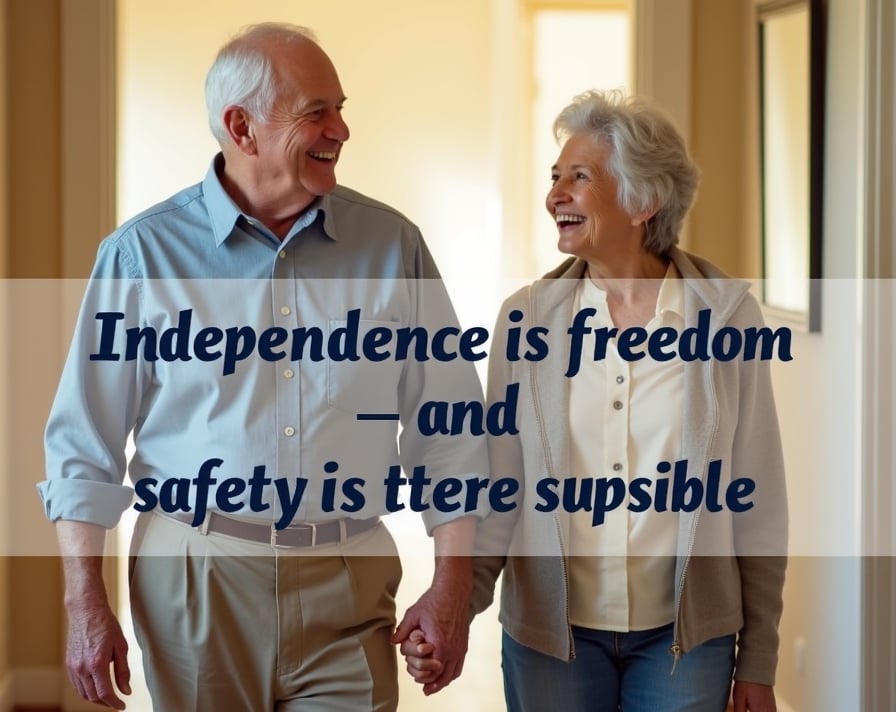
Living independently is a beautiful blessing that many seniors deeply cherish. It represents freedom, comfort, and the joy of staying in the place filled with memories. But as we age, our homes — once simple to navigate — can quietly become less safe. Taking time to make a few thoughtful changes can mean the difference between worry and confidence, between limitation and true independence.
In this article, we’ll explore why home safety matters so much for older adults, share practical tips for each area of the house, and link to expert-backed resources and related guides on your website, Hope in Everyday, to help create a safer and more joyful living space.
Why Home Safety Matters More as We Age
As we grow older, our reflexes slow, our eyesight changes, and balance may not be what it once was. This doesn’t mean we’re less capable — it means our homes need to grow with us. According to the National Institute on Aging (NIA), falls, burns, and poisonings are among the most common accidents for seniors.
Simple changes — like improving lighting, securing rugs, and adding grab bars — can drastically reduce these risks.
I remember visiting my grandmother one evening. Her bathroom rug had curled edges, and she hesitated to step out of the tub. We replaced that rug with a non-slip mat, added grab bars, and installed a motion sensor light. She smiled and said, “Now I feel safe getting up at night.”
That moment taught me that safety equals peace of mind, not just for the elderly, but for the whole family.
For more on the emotional benefits of independence, read our related post: Faith That Grows Stronger with Age: Lessons from the Elderly in the Bible.
Room-by-Room Home Safety Guide
1. Entryways, Hallways & Stairs
Light up every area. Older eyes need more light. Use motion-sensor or night lights. (NCOA)
Secure handrails. Ensure both sides of stairways have sturdy railings.
Remove clutter and cords. Keep hallways clear for walkers or canes.
Add non-slip treads. Prevent slipping on wood or tile stairs.
A small upgrade, like a handrail or better lighting, can prevent serious injury.
2. Living Room & Common Areas
Anchor large furniture to the wall to prevent tipping.
Arrange for easy movement. Keep pathways open and rugs flat.
Use chairs with armrests. They make standing easier and safer.
Keep devices handy. Create a small “tech station” for phones or remotes.
If you’d like to make your living room more senior-friendly while staying active, visit our blog: Gentle Exercises Seniors Can Do at Home to Stay Fit.
3. Kitchen Safety
The kitchen can be both a source of joy and danger if not set up safely. According to AgeWell Medical, kitchen accidents are among the most preventable.
Store frequently used items in lower cabinets to avoid climbing or stretching.
Check appliance cords for wear and replace faulty ones.
Install smoke and carbon monoxide detectors. Test monthly.
Clean spills immediately to prevent slips.
Avoid loose clothing while cooking, especially around gas stoves.
You can also find healthy, energy-boosting meal ideas for older adults in our post: Nutrition After 60: Foods That Boost Energy and Longevity.
4. Bathroom & Bedroom
According to Mayo Clinic, most household falls occur in the bathroom.
Bathroom Tips:
Add grab bars beside the toilet and inside the shower.
Place non-slip mats inside and outside the tub.
Consider a shower chair for extra stability.
Use bright lighting or a motion-sensor night light.
Bedroom Tips:
Keep a clear path to the bathroom.
Place a flashlight on your nightstand.
Remove small rugs or clutter near the bed.
Choose a comfortable, supportive mattress for easier mobility.
5. Emergency Preparedness
Keep emergency numbers handy. Include 911, doctor, family, and neighbors.
Use a medical alert system such as Medical Guardian.
Install a smart doorbell (like Ring or Nest) for added security.
Check smoke and CO detectors monthly.
Create a check-in system with a friend or family member.
The National Institute on Aging offers a free printable home safety checklist to help you evaluate your home step by step.
Technology for Independent Living
Technology can make independent living easier and safer than ever before. According to Kiplinger, tools like video doorbells, smart lights, and medication reminders support seniors living alone.
Here are a few helpful ideas:
Smart locks or voice-controlled devices.
Video calling for family check-ins.
Wearable fall-detection devices.
Telehealth for medical consultations.
For more digital tips, read: Technology Made Easy: Simple Ways Seniors Can Go Digital.
A Personal Reflection
When I helped my aunt (aged 78) review her home, we discovered little things — a loose step, a flickering light, and a cluttered hallway — that made her anxious. Together, we:
Replaced bulbs with brighter LEDs.
Installed a grab bar near her shower.
Added non-slip mats.
Set up a medical alert system.
Her words afterward still move me: “Now I can move freely again. I don’t feel old — I feel secure.”
That’s the true purpose of home safety — empowerment, not restriction.
Making Safety a Lifestyle
Safety isn’t a one-time project; it’s a lifelong habit. Schedule a monthly or quarterly “home safety day.” Check lighting, smoke detectors, clutter, and rugs. Talk with family and neighbors.
If you’d like to complement physical safety with emotional health, visit our inspiring piece: The Importance of Mental Health in Older Age — and How to Protect It.
You can also explore helpful guides like the AARP HomeFit Guide for aging in place.
Final Thoughts
Your home should be a place of peace, not worry. By making small, intentional adjustments — better lighting, non-slip flooring, technology upgrades — you’re not giving up your independence. You’re protecting it.
Take one step at a time, involve loved ones, and revisit your setup regularly. Every change you make today adds years of safe, joyful living tomorrow.
Remember: safety isn’t about fear — it’s about freedom.
Internal Backlinks (on your site)
Faith That Grows Stronger with Age: Lessons from the Elderly in the Bible
The Importance of Mental Health in Older Age — and How to Protect It