How to Be Happy Alone: 6 Proven Ways for Older People with No Friends
Discover six proven, research-based ways for older adults to be happy alone — through self-discovery, purpose, gratitude, spirituality, and gentle daily routines that bring peace and fulfillment.
Javed Niamat
11/1/20253 min read
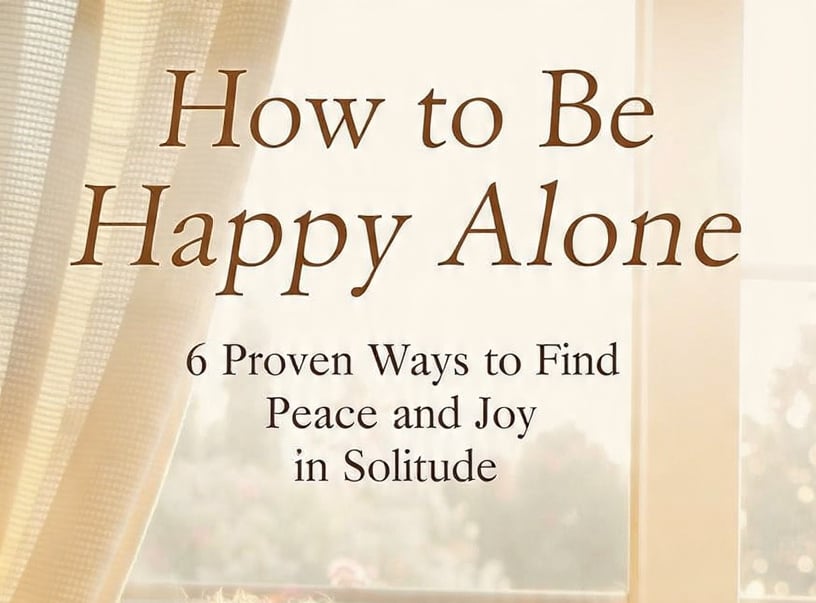

How to Be Happy Alone: 6 Proven Ways for Older People with No Friends
Growing older often brings new chapters of life — children move away, friends pass on, routines slow down, and the world can begin to feel a little quieter. For many older adults, this quietness can sometimes turn into loneliness. But being alone does not have to mean being unhappy. In fact, it can become one of the most peaceful, fulfilling, and spiritually rich times of your life.
This article will explore six proven ways for older people to be happy alone, based on psychological research, real-life experiences, and timeless wisdom — with a personal and human touch.
1. Reconnect With Yourself
After spending decades caring for others — children, a spouse, or work — many seniors forget who they really are. Being alone gives you a chance to rediscover yourself.
Take time to ask:
What brings me peace?
What did I love to do before life got busy?
What makes me feel alive today?
Journaling, meditating, or simply sitting quietly with a cup of tea in the morning can help you reconnect to your inner world.
Remember: Solitude is not emptiness; it’s space for your soul to breathe.
2. Create a Daily Routine That Feeds Your Soul
A happy life — even when alone — thrives on structure and purpose. A well-designed daily routine keeps your mind engaged and your heart hopeful.
Try including:
Morning sunlight and gentle stretches to wake up your body.
Nutritious meals that support brain and bone health.
Reading, gardening, or painting — something creative or educational.
Evening gratitude journaling — write three small blessings each night.
According to the Journal of Aging Studies, older adults who follow a consistent daily rhythm show higher emotional stability and better mental health.
3. Stay Physically Active (Even Gently)
Physical activity isn’t just for fitness — it’s for happiness. When you move your body, it releases endorphins, the natural “feel-good” hormones.
You don’t need a gym membership. You can:
Walk around your garden or neighborhood.
Try simple chair exercises or yoga for seniors.
Dance to your favorite old songs in your living room!
Research from Harvard Health shows that 30 minutes of light activity daily can reduce loneliness and depression in seniors by improving mood and energy.
Movement is medicine — not just for your body, but for your soul.
4. Build Meaningful Connections (Even Without Close Friends)
Even if you don’t have close friends nearby, you can still nurture connections that make life meaningful.
Join local senior centers, churches, or community programs. Many people your age feel the same way and are waiting for a friendly smile.
Volunteer for a cause — teaching children, helping at a food bank, or even online mentoring. Helping others fills the heart.
Adopt or foster a pet. A dog, cat, or even a bird can bring joy, companionship, and routine to your days.
A study by The National Institute on Aging found that volunteering and pet companionship are two of the most effective ways to reduce feelings of isolation in seniors.
5. Keep Your Mind Growing and Grateful
Happiness often grows when your mind keeps learning and your heart stays thankful.
Try:
Learning a new hobby online — from baking to photography.
Watching documentaries or reading uplifting books.
Keeping a gratitude journal, noting small daily joys — a warm meal, a bird’s song, or a kind memory.
Psychologists say gratitude can shift your focus from what’s missing to what’s meaningful. Even five minutes of reflection each day can strengthen your emotional health and increase contentment.
6. Strengthen Your Spiritual Life
For many older adults, spirituality becomes a deep source of peace and strength when alone. Whether through prayer, meditation, or reading the Bible, connecting with God or a higher purpose brings comfort that no human companionship can replace.
“You are never truly alone when you walk with God.”
Attending church services (in person or online), listening to worship music, or joining a prayer group can bring both spiritual and emotional renewal.
Final Thoughts: Loneliness Is a Season, Not a Sentence
Being alone doesn’t have to be a life of sadness. It can be a sacred invitation — a time to heal, grow, and discover joy in simple, everyday moments.
Start small:
Enjoy your morning coffee watching the sunrise.
Sing along to your favorite old song.
Read something inspiring each day.
As you embrace these practices, you’ll find that happiness is not found in the presence of people — but in the presence of peace.
Key Takeaways
Solitude can be healing, not lonely.
Keep your body active and your mind learning.
Serve others — it multiplies joy.
Stay spiritually grounded.
Create routines that give your days meaning.