Why Japanese Live Much Longer & Healthier Than Americans: 5 Shocking Reasons.
Discover five shocking reasons why Japanese people live much longer and healthier lives than Americans — from diet and systems to purpose and social bonds — and how this applies to improving life in the U.S.
Javed Niamat
11/3/20254 min read
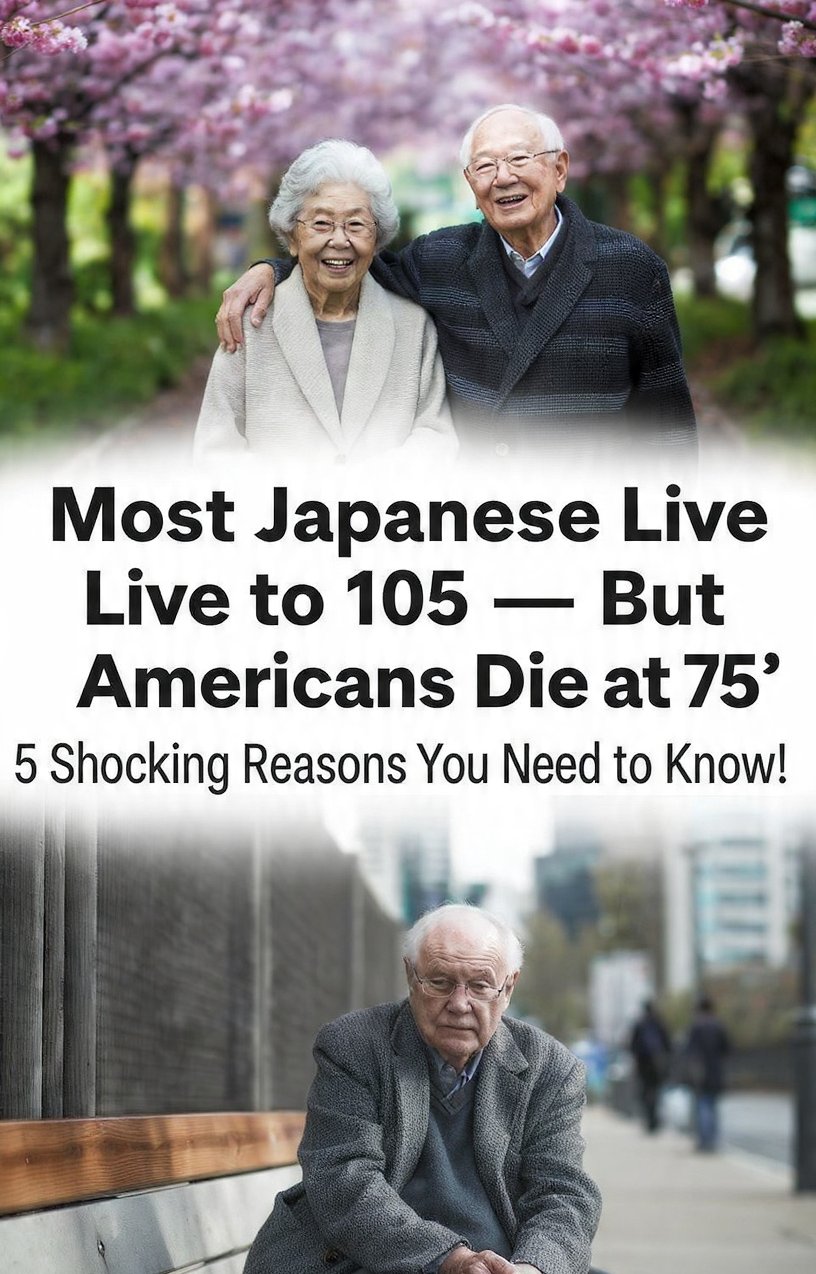
Why Japanese Live Much Longer & Healthier Than Americans: 5 Shocking Reasons:
Growing older doesn’t have to mean worse health, loneliness or decline. For many Japanese, longevity is not just about years—but about quality of life and purpose. In the U.S., however, many die younger or spend many years in illness. Understanding the why helps us learn. Below are five critical factors.
1. Diet, Obesity and Chronic Disease
One of the biggest differences: obesity, diet-related illness and chronic disease burden.
The Japanese have an obesity rate of ~4–5 % while the U.S. adult obesity rate is ~30 %+ (and rising). (observatoireprevention.org)
That low obesity translates into far fewer deaths from ischemic heart disease and many cancers. (observatoireprevention.org)
For example: in one review, the authors noted that the U.S. high prevalence of obesity and diabetes is a major reason life expectancy is shorter compared to Japan. (cejph.szu.cz)
Japanese diets emphasize fish, plant-foods, soy, tea, less red meat and processed foods. (observatoireprevention.org)
In the U.S., diets heavy in processed foods, sugary drinks, and fast food correlate with poorer outcomes. (KPAX News)
Humanized moment: Imagine eating a bowl of seasonal fish, vegetables, seaweed, perhaps green tea, then walking home past neighborhood shops. Compare that with someone grabbing a fast food meal, sitting for hours, skipping vegetables. These lifestyle choices add up, year after year, decade after decade.
2. Stronger Public Health, Preventive Systems & Social Inclusion
Japan’s health outcome advantages go beyond diet—they include social systems, preventive care and a culture of community.
Japan established universal health insurance early, ensuring access to prevention and treatment. (KPAX News)
Japanese older adults tend to stay active, using public transit, walking, and having community engagement. (Health Data)
In contrast, Americans often face gaps in preventive care, higher rates of untreated chronic conditions and greater health disparity. (KPAX News)
Humanized moment: Think of Mrs. Sato, in her 80s, catching the train to town, chatting with friends at the local center, staying independent. Versus Mr. Johnson, retired, living mostly at home, limited mobility, few social outings and slipping into inactivity. The difference in daily experience matters.
3. Lower Rates of Risk Factors (Smoking, Salt, Red Meat) & Fewer Fatal Diseases
Another key reason is fewer exposure to major risk factors and diseases.
Japan has historically lower tobacco‐smoking rates (though not negligible), fewer deaths from heart disease and certain cancers. (observatoireprevention.org)
High salt intake used to be an issue in Japan, but reductions over time helped reduce stroke and cerebrovascular mortality. (observatoireprevention.org)
Meanwhile, in the U.S., besides obesity, there are higher rates of chronic respiratory disease, injuries, drug overdoses, etc. (Medical Daily)
Humanized moment: When you consider what “risk” means day to day: skipping the morning walk, eating heavy processed meals, smoking or drinking heavily—all these shorten the story of our lives. In Japan, many avoid multiple risks simultaneously; in the U.S., many live with several risk factors at once.
4. Purpose, Social Bonds & Culture of Ageing
Living long isn't just about biology—it’s about mindset, culture, belonging and purpose.
Japanese society honors elders, gives them roles, encourages social connectedness and active aging. (Health Data)
Community, regular group exercise (for example, “radio taisō” morning exercises) and social rituals help maintain engagement. (Referenced in some media reports.)
In contrast, many older Americans face isolation, retirement without new roles, and less expectation of active contribution.
Humanized moment: Imagine an older woman in Japan joining her neighborhood’s morning exercise, chatting with friends, being part of a group. She wakes up not just to “get older,” but to “be still useful, be still social.” That matters. When we feel isolated, invisible, without purpose, our bodies and spirits suffer.
5. Socio‐economic Inequalities, Environment & Healthspan Versus Lifespan
Finally, big structural differences: income inequality, environment, injury/accident rates and the number of years lived in poor health.
A recent European public health paper found that adult obesity, diabetes and higher mortality from cardiovascular/cancer/CRD were major contributors to the U.S.–Japan gap. (cejph.szu.cz)
The U.S. also has higher rates of traffic fatalities, injuries, and bigger life expectancy variation across states/neighborhoods. (cejph.szu.cz)
Importantly: Americans spend more years sick compared to Japanese. A study found U.S. adults live more years with disease. (The Guardian)
So it’s not just about how long we live, but how well we live those extra years.
Humanized moment: If Mr. Lee in America lives to 80 but with 15 years of chronic disease, little mobility, repeated hospitalisations—that’s very different from Ms. Tanaka in Japan who lives to 90 with good mobility, few illnesses, meaningful days. Quality matters.
Final Thoughts: Not Inevitable—But Changeable
It’s tempting to say “well, Japan is different culture, genetically different, so we can’t compare.” But many of these factors are modifiable:
Choosing better diet (more fish, vegetables, less ultra-processed food)
Moving more—walking, community engagement, staying active
Building purpose and social connection
Reducing risk factors (obesity, smoking, poor diet)
Advocating for better preventive care and health equity
If you’re reading this in the U.S., you may not literally “die at 75,” but the data show many Americans die significantly younger or live many years in ill health compared to Japanese. The gap is a wake-up call.
Internal & External Links
Internal (for your blog site):
External (for credibility/backlinks):
Observatoire de la prévention: Why do the Japanese have the highest life expectancy in the world? (observatoireprevention.org)
Institute for Health Metrics and Evaluation: Why is Japanese life expectancy so high? (Health Data)
MedicalDaily: Why Americans have a lower life expectancy… (Medical Daily)
European Journal of Public Health / Cent Eur J Public Health: Life expectancy differences U.S. vs Japan (cejph.szu.cz)